In a landmark verdict that drew nationwide attention, a Dhaka court on Sunday sentenced Sohel Rana and his wife Swapna Akhter to death for the rape and gruesome murder of eight-year-old Ramisa Akhter in the capital’s Pallabi area.
The verdict was delivered by Judge Masroor Salekin of the Dhaka Metropolitan Child Violence Suppression Tribunal, bringing an end to one of the fastest and most closely watched criminal trials in the country’s recent history. The judgment came just 19 days after the crime was committed and only five working days after the formal trial began.
The court also fined Sohel Rana Tk 500,000 and Swapna Akhter Tk 200,000. The tribunal directed that the compensation be realized from the convicts’ assets and provided to the victim’s family.
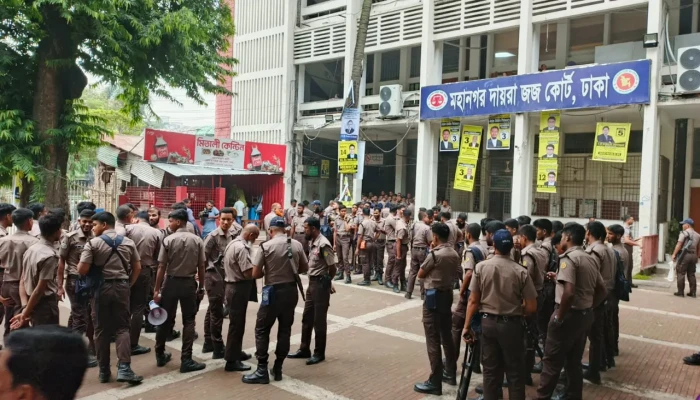
Security was tightened across the court premises ahead of the verdict. Additional police personnel and intelligence officers were deployed as journalists, lawyers and members of the public gathered to witness the outcome of a case that had shocked the nation.
According to case documents, Ramisa, a second-grade student, went missing on the morning of May 19 after leaving her family’s apartment. Investigators said she was lured into the neighbouring flat by Swapna Akhter.
When the child could not be found, her mother began searching and noticed Ramisa’s shoes outside the couple’s apartment. Receiving no response from inside, family members and neighbours forced open the door and discovered a horrifying scene. The child’s decapitated body was found on the bedroom floor, while her severed head was concealed inside a bucket.
Police detained Swapna at the scene and later arrested Sohel Rana from Narayanganj’s Fatullah area using digital tracking technology after he fled the apartment.
The investigation progressed at an extraordinary pace. Detectives submitted the charge sheet within four days of the murder. Formal charges were framed on June 1, while testimony from 16 witnesses was recorded on June 2. Following closing arguments on June 4, the tribunal fixed June 7 for delivering the verdict.
During the proceedings, prosecutors argued that witness testimony, forensic evidence, digital records and the confessional statements of the accused established their guilt beyond doubt. The court ultimately agreed, handing down the highest punishment prescribed by law.
The case sparked outrage across Bangladesh and triggered widespread demands for swift justice. Television channels, online news platforms and social media users closely followed every stage of the proceedings, making it one of the most discussed criminal cases in recent years.
Following the verdict, members of Ramisa’s family expressed satisfaction, saying the judgment had restored their faith in the justice system. Legal observers described the ruling as a significant example of how serious crimes against children can be investigated and prosecuted within a short timeframe while maintaining due legal process.
Although the death sentence will be subject to mandatory review by the High Court, Sunday’s judgment marked a decisive milestone in a case that gripped the nation and renewed calls for stronger protection of children against sexual violence and abuse.